
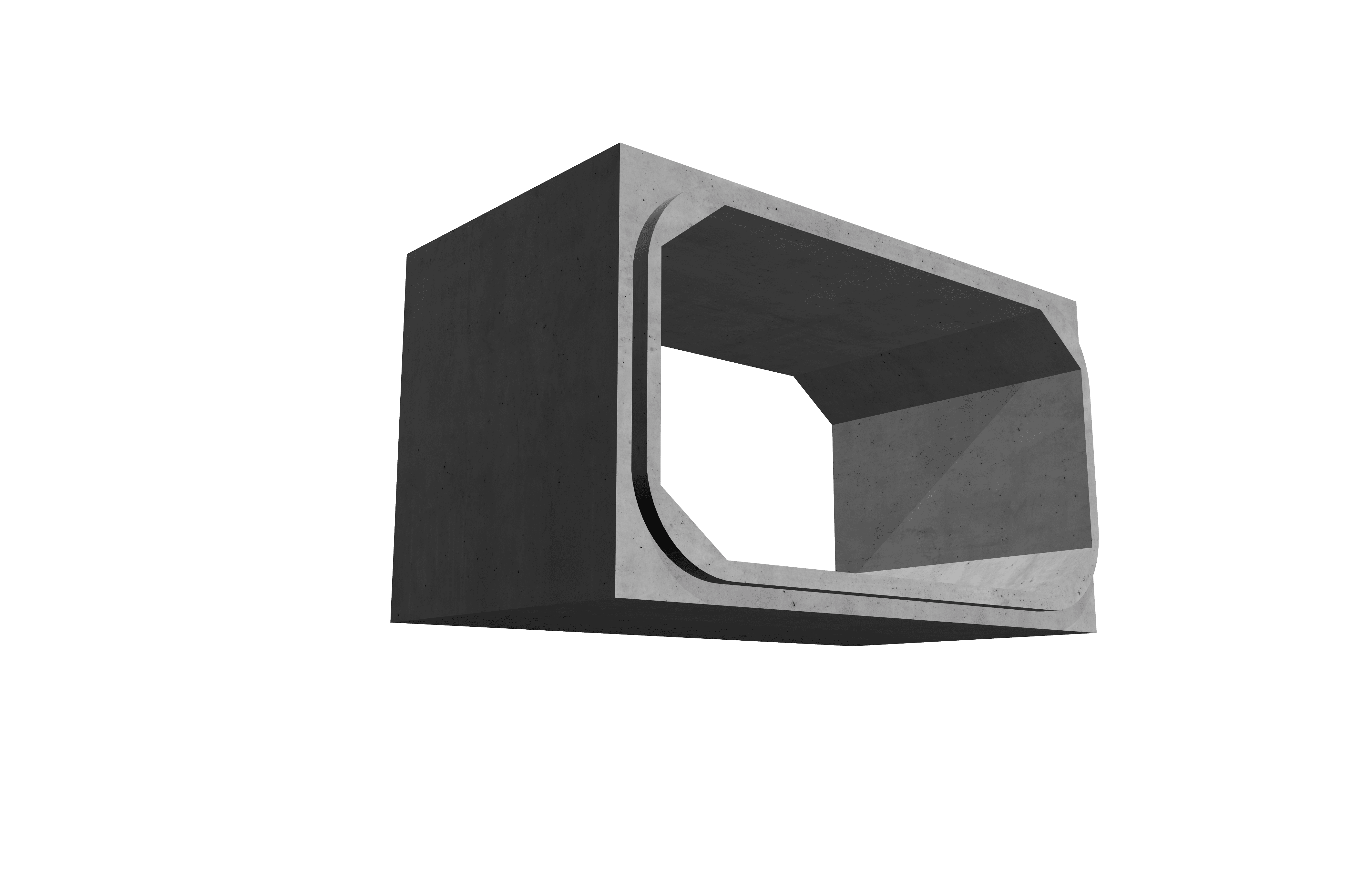
Box Culvert
Precast concrete culvert are box shaped configurations used for transportation infrastructure, stormwater management, and multiple other applications. Engineers and contractors use our culvert products for everything from bridges and streambeds to underground storage and utility vaults.
Jensen Precast carries one of the most diverse product lines of culvert in the industry. Our monolithic, arch, and Type I, II, and III segmental culvert can be configured to meet small and large scale construction projects. Our gasketed and Verti-Set Joint solutions expedite installation.
Features & Benefits of Precast Concrete Box Culvert
Versatile Solutions
Jensen Infrastructure's box culvert is designed for a wide variety of applications, including stormwater drainage, road crossing, pedestrian underpasses, utility tunnels, and custom projects.Faster Installation
Precast box culvert is delivered ready to install, reducing on-site labor time, and minimal disruption to surrounding areas, leading to faster project timelines and cost-effective construction.Custom Sizes and Configurations
Jensen offers a variety of standard and custom box culvert sizes to accommodate your project requirements. Contact our sales team to discuss your project needs.High Quality Construction
Precast concrete box culvert is manufactured to ensure long-term structural integrity, load bearing capacity, and resistance to environmental wear and tear.Box Culvert Applications
Transportation Infrastructure
- Bridges and road crossings
- Pedestrian and service tunnels
- Cattle and wildlife crossings
- Steam tunnels
- Corridor links
- Conveyor tunnels
Stormwater Management
- Flood control
- Stormwater infiltration
- Rainwater harvesting
- Detention and retention systems
- Underground storage and tunnels
Other
- Utility vaults and trenches
- Wastewater holding and recirculation tanks
- Environmental encasements
- Underground storage
- Wine cellars
- Disaster and security bunkers
- Intakes and outfalls
Box Culvert Solutions
- Special loading conditions for traffic, deep bury, and high ground water
- Headwall and wingwall design for support and erosion control
- Sweeping radius turns for long and winding lays
- Openings for catch basins, manholes, and pipe access
- Sloped floors for gravity flow
- Design options for low flow conditions
Loading Specifications
- AASHTO LRFD
- COOPER E-80
- FAA AC150
Questions & Answers about Box Culvert
What are typical applications for precast box culvert?
Precast box culverts are used in a variety of projects where efficient water flow or passage is needed beneath roads, railways, or embankments. Typical applications include:
- Stormwater drainage systems in urban or highway settings
- Stream and creek crossings under roads or rail lines
- Utility tunnels for electrical, telecom, or water infrastructure
- Pedestrian and wildlife underpasses for safe cross-traffic movement
- Access ways for maintenance vehicles or equipment beneath roadways
How are box culverts installed?
Precast box culvert is installed using a streamlined, staged process:
- Site preparation: the foundation is excavated and leveled, with compacted bedding material added for support.
- Section placement: Using cranes or heavy equipment, precast box culvert sections are lifted and set into place.
- Joint connection: Sections are aligned and joined using tongue-and-groove or gasketed connections to ensure proper fit and watertight performance.
- Backfilling: Once all sections are installed, the structure is backfilled and compacted to restore the surrounding area.
What standards govern the design and manufacturing of precast box culvert?
Precast box culvert is manufactured and designed to meet strict industry standards for quality, performance, and safety. Key standards include:
-
ASTM C1433 – Standard for precast reinforced concrete box sections for culverts, storm drains, and sewers
-
ASTM C1577 – Standard for precast reinforced concrete box sections with special designs
-
AASHTO Specifications – For load-bearing performance on highways and transportation projects
-
Project-specific municipal or agency requirements – Local or state guidelines may apply
These standards ensure that each culvert meets structural, hydraulic, and durability requirements for long-term performance.
What are the benefits of using precast box culvert over cast-in-place alternatives?
Using precast box culvert offers several advantages compared to cast-in place:
- Faster installation: Precast sections are delivered ready for immediate installation, reducing site time and labor costs.
- Consistent quality: Produced in a controlled environment, precast components meet precise specifications and quality standards.
- All-weather reliability: Unlike cast-in-place methods, precast installation is less impacted by weather delays.
- Minimal disruption: faster installation minimizes road closures, traffic delays and environmental disturbances.
What maintenance is required for precast box culvert?
Precast box culvert requires minimal maintenance due to their durability and resistance to environmental wear. Typical maintenance tasks include:
- Periodic inspections to check for debris, sediment buildup, or structural wear
- Cleaning to ensure unimpeded water flow and prevent blockages
- Joint and seal inspection to maintain watertight performance and alignment
- Vegetation control around inlet and outlet areas to prevent clogging