

Dry Wells
Getting surface stormwater back into the ground saves land, recharges aquifers, and eases pressure on weather event outcomes. Jensen's dry well infiltration systems offer effective solutions for stormwater management and groundwater recharge. Designed with sustainable development and water conservation in mind, these durable precast concrete structures capture runoff and disperse it into the surrounding soil.
More Water Below. More Room Above.
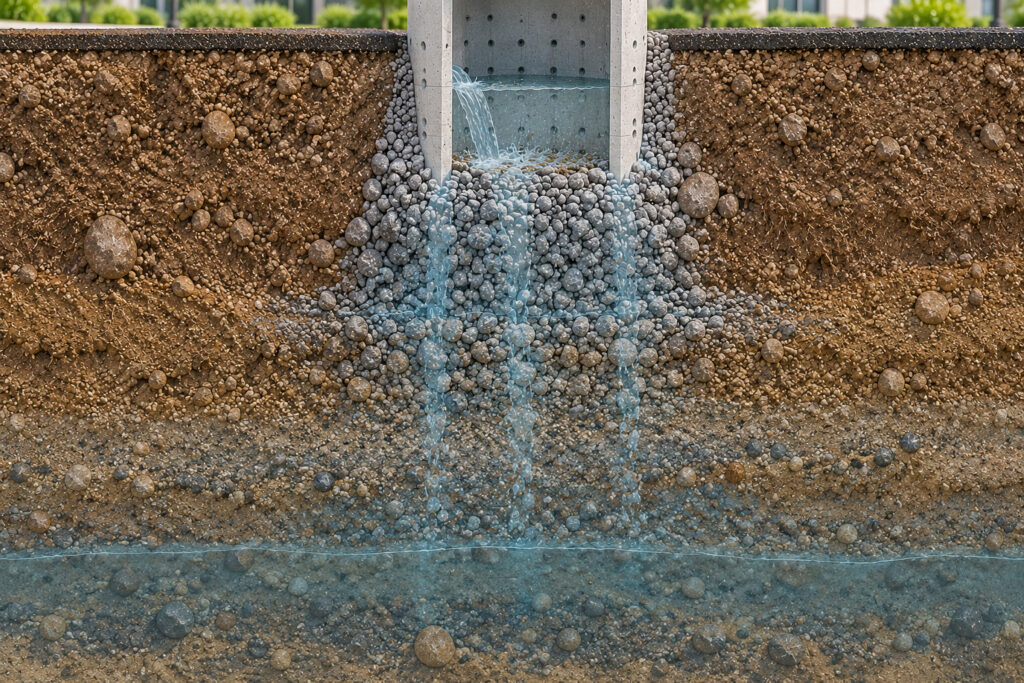
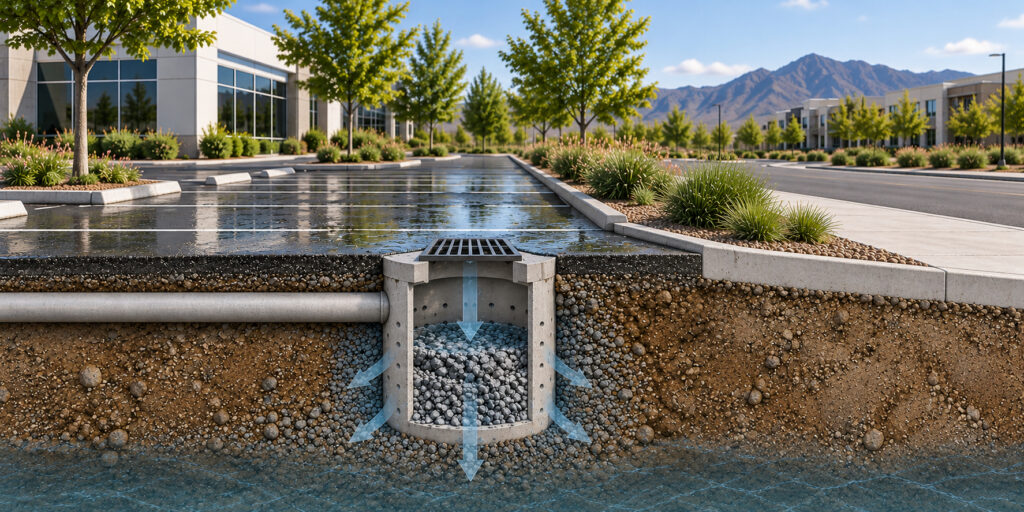
Surface basins take up valuable land. Yet sending runoff elsewhere does nothing to recharge the water table. A dry well does the opposite. Runoff enters the buried structure and percolates out through perforated walls or a gravel-bedded bottom into the surrounding soil. The result is less runoff at the surface, lower peak flows, and more water returned to the ground.
Pair with upstream pretreatment to keep sediment out and protect long-term infiltration capacity. Manufactured in durable precast concrete and available in a range of diameters and depths. Dry wells suit tight, high-value sites where surface detention is not practical.

Reduce Stormwater Runoff
Reduce runoff to manage peak flows during storms.

Recharge Groundwater
Replenish groundwater and support the local water cycle.

Preserve Valuable Land
Keep surface space for parking, landscaping, or development.

Simplify Installation
Minimize time, labor, and disruption vs cast-in-place alternatives.
How Dry Wells Work
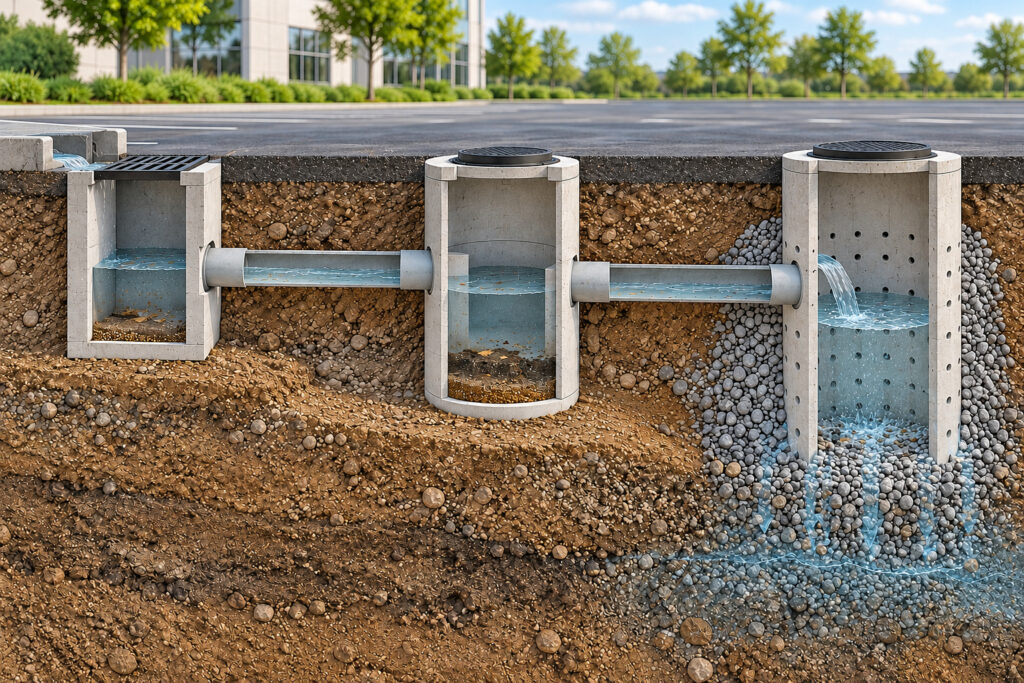
A dry well is a passive infiltration structure with no moving parts and no power. It stores runoff briefly, then lets it soak into the ground. Dry wells are the infiltration endpoint of a system. Jensen builds the conveyance, pretreatment, treatment, and storage upstream too. So the whole system is engineered together.
-
 Step 1
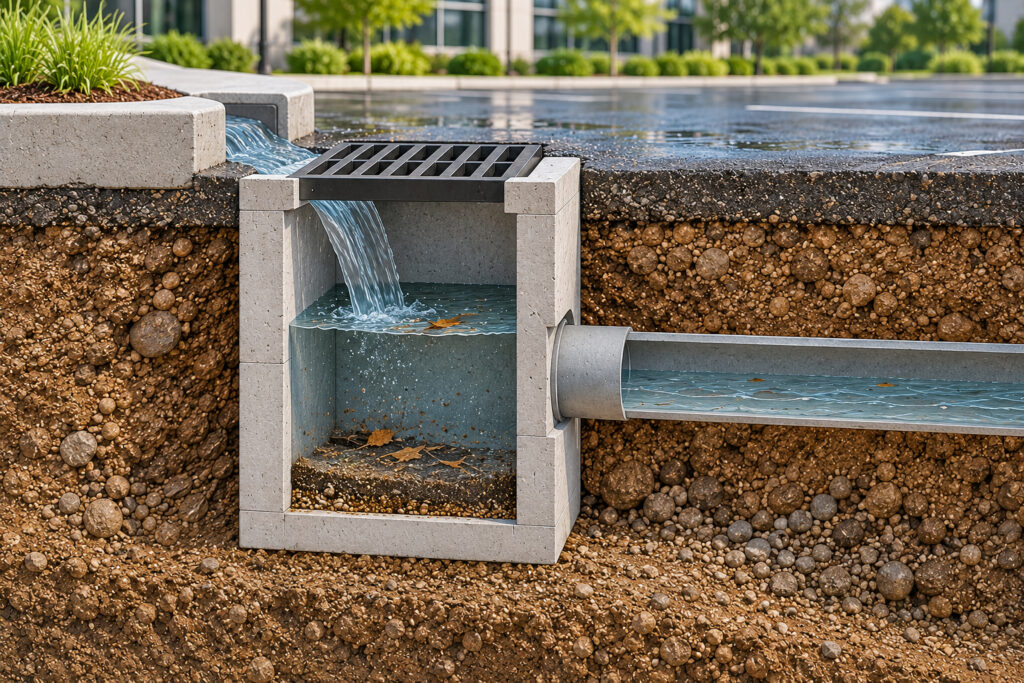
Catch Basin / Inlet — Collect
Stormwater runoff enters through a surface grate or curb inlet and flows into an underground catch basin, where it is directed into the drainage system.
-
 Step 2
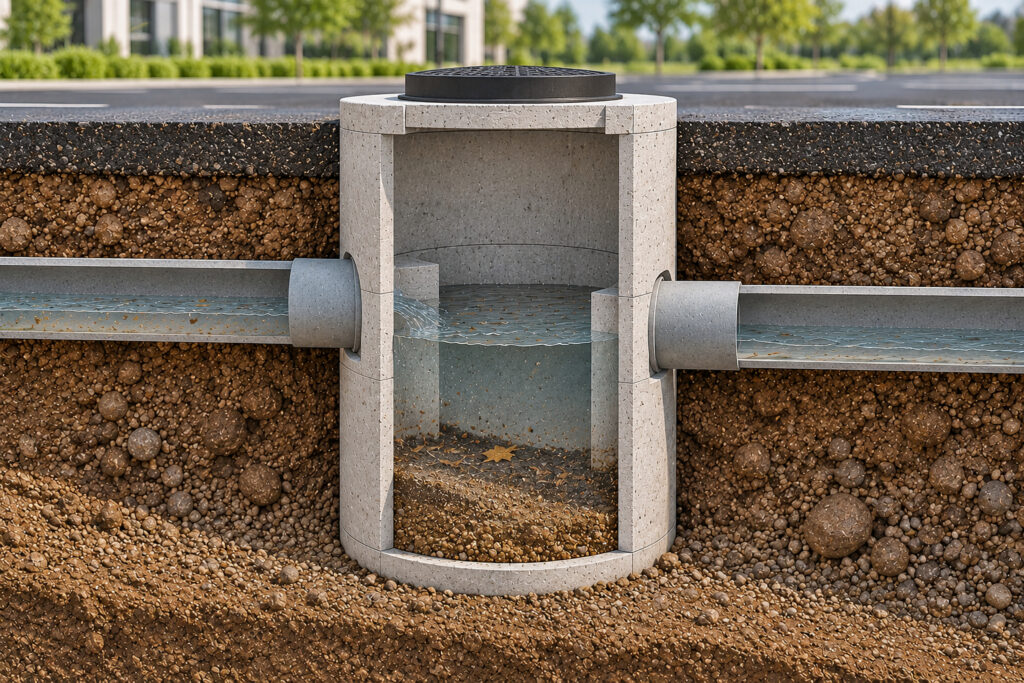
Sediment Pretreatment — Separate
Water flows into a pretreatment chamber, where sediment and debris settle out before the water moves downstream.
-
 Step 3
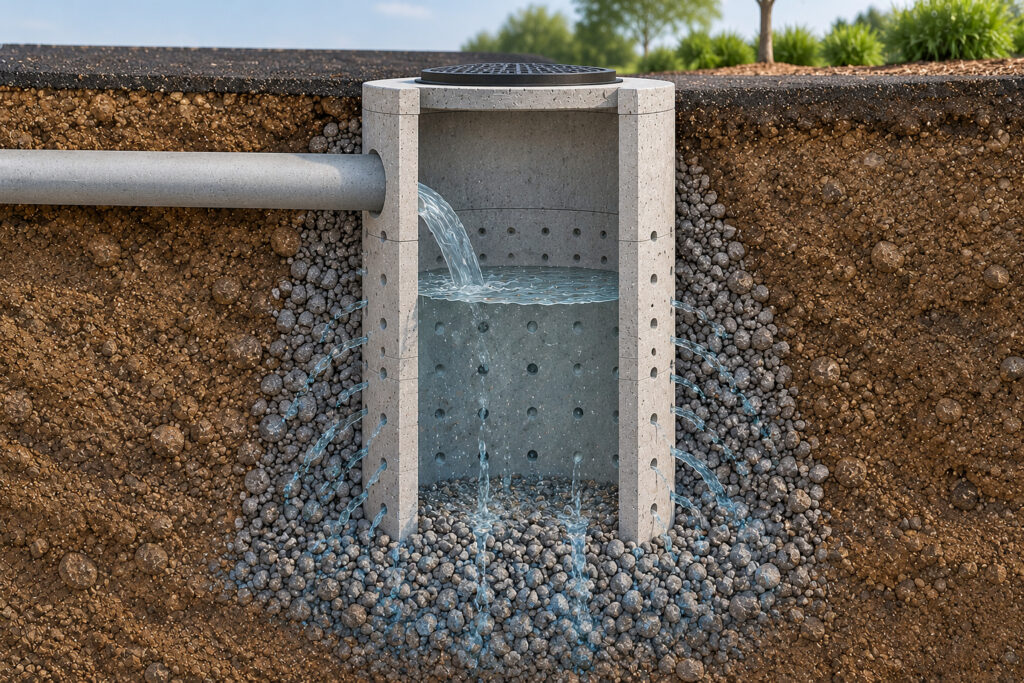
Dry Well — Infiltrate
Pretreated stormwater enters the precast dry well, where it temporarily collects before seeping through perforated walls and the open bottom into surrounding gravel and soil.
-
 Step 4
Groundwater Recharge — Replenish
Water gradually filters through native soil, helping replenish groundwater while reducing surface runoff and peak flows.
Conveyance Products
Dry Well Barrel
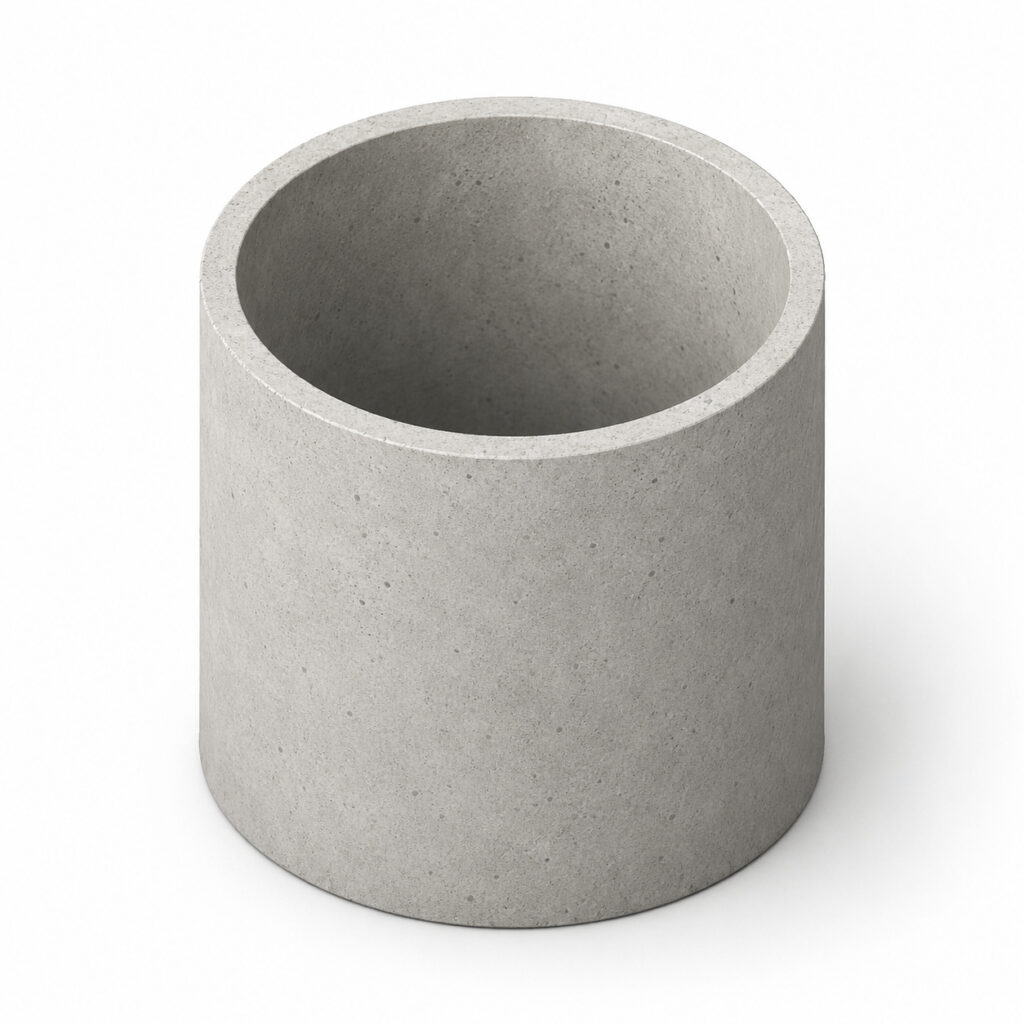
The core precast concrete barrel that forms the body of the dry well. Solid-wall sections build the structure to the required depth to store captured runoff and
infiltrate it through the open bottom.
Perforated Dry Well Barrel
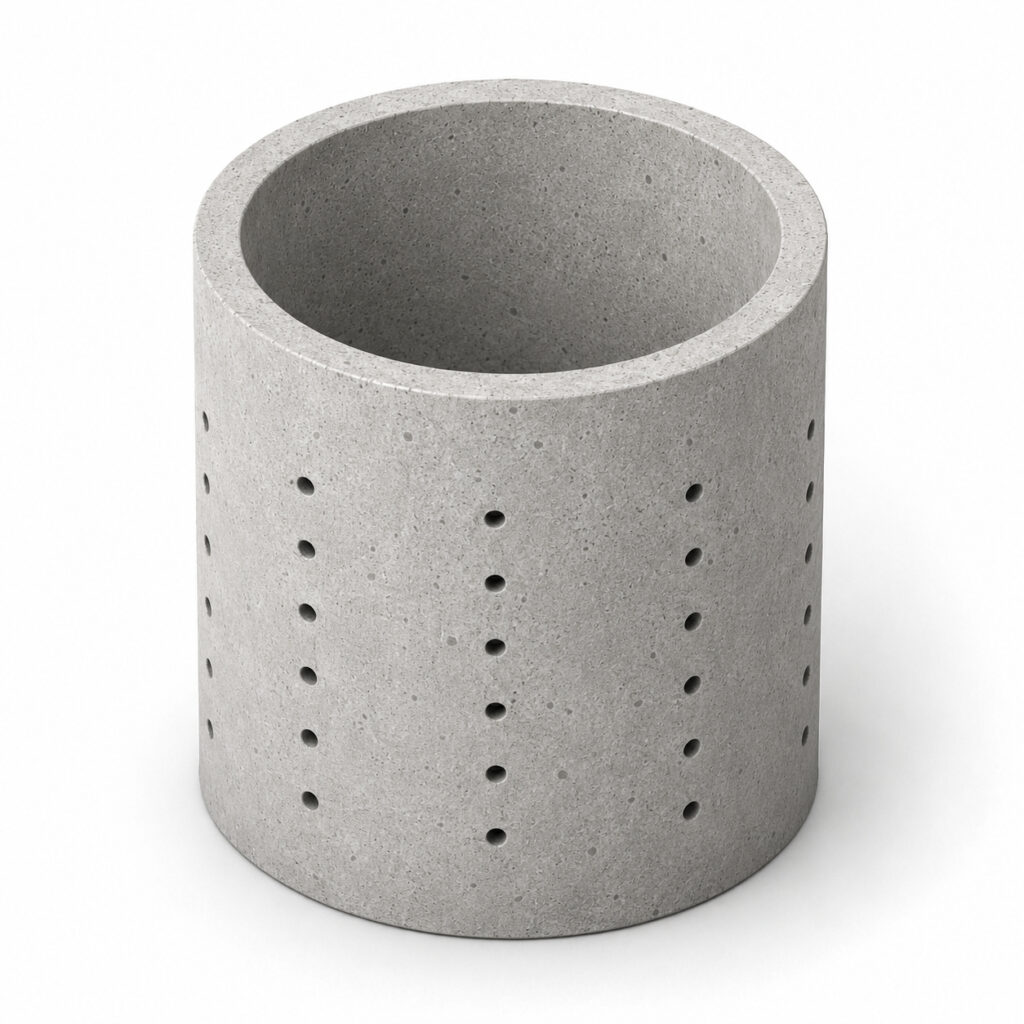
A barrel section with perforated walls that enables stored stormwater to seep radially into the surrounding soil to add infiltration surface. Combined with solid barrels to tune infiltration to the site.
Eccentric Dry Well Cone Riser
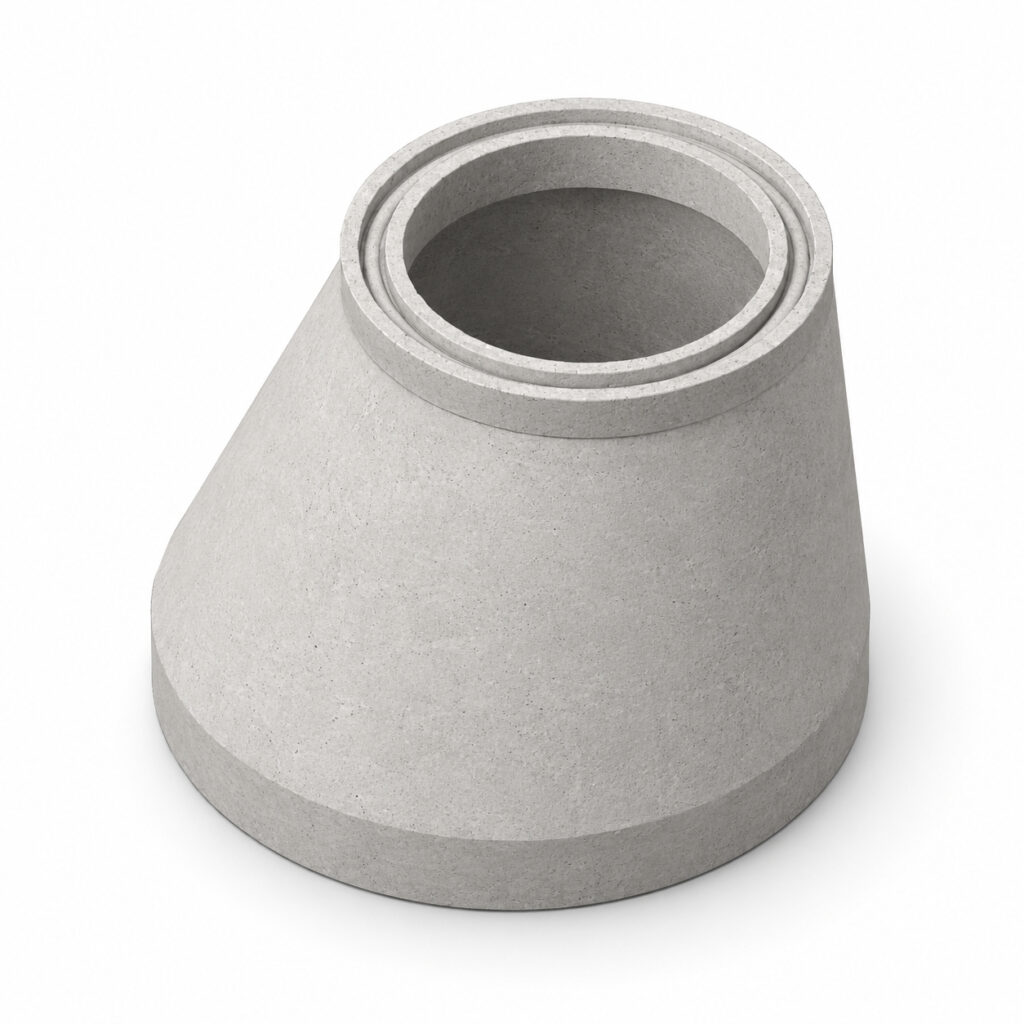
An eccentric (offset) cone reducer that transitions the barrel diameter down to a grade-level access opening. The flat side gives a straight, vertical face for access steps and simplifies surface entry.
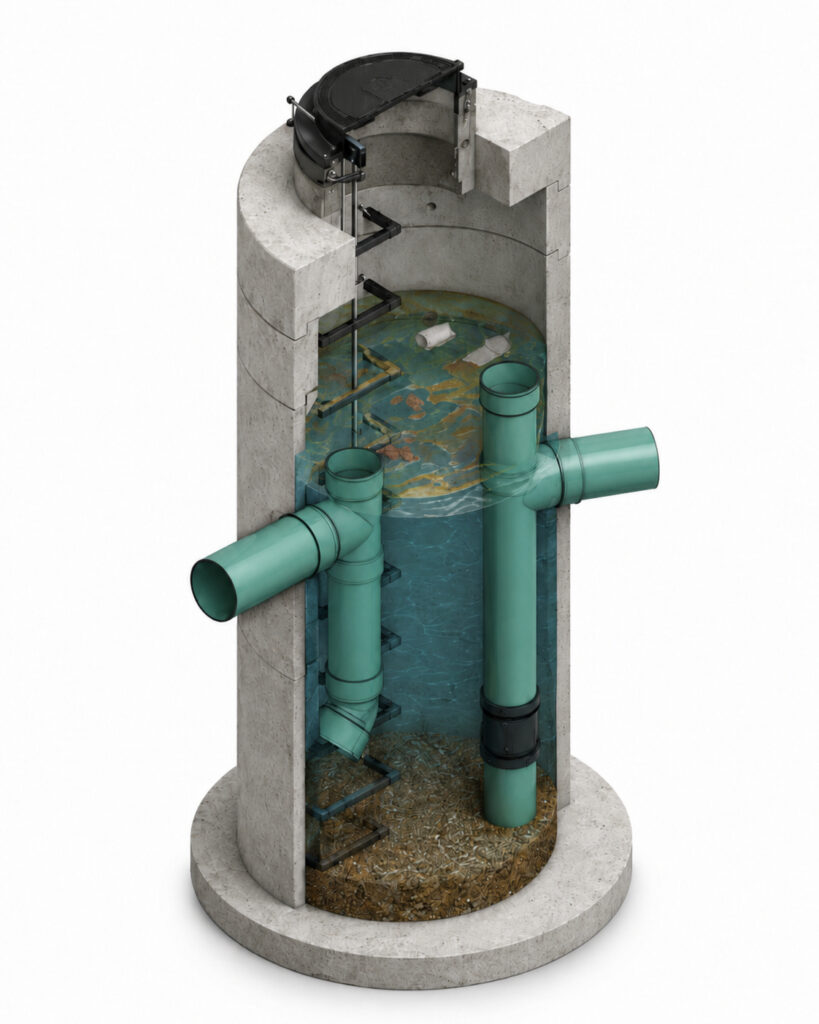
Pretreatment Device
An upstream sediment and debris capture device that removes solids before they reach the dry well, protecting long-term infiltration capacity and extending service life.
Where Dry Wells Are Used
Dry wells are best used at sites with suitable infiltration soils and adequate separation to the groundwater table.
- Parking lots and drive aisles
- Roadways and streets
- Commercial and residential development
- Roof and downspout drainage
- Arid regions needing recharge
- LID and green infrastructure
How to Get Started
We're ready when you are. What's your process? We'll take it from there.
Request Sizing
Get Drawings Fast
Engineering Review
Delivery & Installation Support

Engineering Support
Get specs, drawings, or application support from our engineering team.